On Monday, December 1st, after a brief and cruel illness, H.S.H. Prince Alessandrojacopo Dragone Boncompagni Ludovisi Altemps passed away. He was Minister Counsellor of the Embassy of the Sovereign Military Order of Malta to the Holy See, and bore the surnames of two families that had given the Church two Popes and a significant number of Cardinals.
The Boncompagni family included Pope Gregory XIII (1572–1585), promoter of the “Gregorian” calendar reform and a great patron of the arts and culture. The Ludovisi family, for its part, were leading figures of Baroque Rome and gave the Church Pope Gregory XV (1621–1623). Over the centuries, Cardinals, diplomats, administrators, and statesmen from both historic families contributed in a very significant way to the international prestige of the Holy See and the Papal States.
The son of Prince Paolo, former Master of Ceremonies of the Grand Magisterium of the Order of Malta, Alessandrojacopo inherited from him a strong devotion to the Order, which he served faithfully and generously for almost two decades.
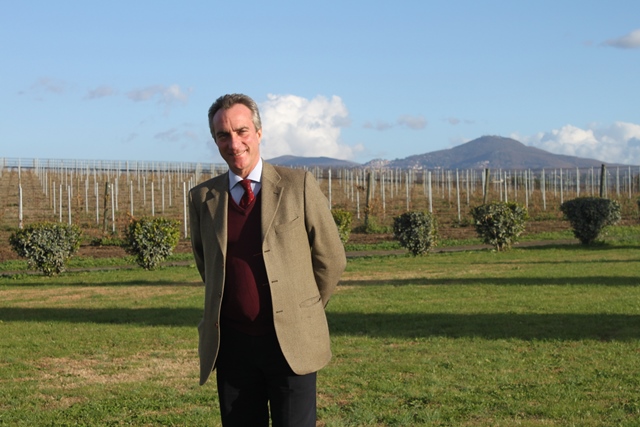
Alongside his institutional commitments, he passionately oversaw the Fiorano agricultural estate, a world-renowned excellence for its wines, the fruit of a vision that united tradition, territory, and innovation. His work as a producer led him to travel widely to meet partners and clients across different continents and to make known— with measured pride — a production he felt to be a responsibility toward the land and the history of his family.
In his great generosity, he made the Fiorano estate and the beautiful, large, and welcoming family home instruments placed at the service of the Embassy, organizing meetings and lunches for colleagues and visitors arriving from other countries for meetings, conferences, and participation in Vatican ceremonies.
A lover of art, he founded a contemporary art gallery in Rome, a meeting point for emerging creativity and international cultural dialogue. This activity as well, so different in its means from diplomacy, reflected his personality: openness, curiosity, and respect for talent.
In his service at the Embassy of the Order of Malta to the Holy See, he lived the spirit of the institution with total dedication and performed near-miracles in balancing service with family and professional commitments. He was very popular among colleagues from other embassies and among his interlocutors in the Vatican, who appreciated his kindness and open-mindedness.
Those who knew him are aware of how reserved and almost humble he was: he sought no visibility and no personal advantage; his presence was marked by sincere attentiveness and listening.
The trait that will remain most vivid in the memory of those who loved him is precisely this extraordinary simplicity, rare in a world that often confuses prestige with arrogance. Alessandrojacopo was a man of authentic relationships, moderation, and responsibility — a gentleman in the fullest sense of the word.
The Grand Cross of Honour and Devotion of the Order, which the Grand Master, Fra’ John Dunlap, wished to bring to him at his home in Piazza di Spagna, represented a positive moment in his final, painful weeks. Alessandrojacopo received it not as a normal — albeit very high — decoration, but as a strengthening of the bond that tied him to a Religious Order. The Ecclesiastical Counsellor of the Embassy, Monsignor Marco Ceccarelli, remained close to him until his final days and conveyed to him the closeness of all, as well as the living presence and comfort of the Church.
Alessandrojacopo leaves behind his wife Maria Carolina and two young children, to whom he was deeply devoted. His was a nobility lived in the concreteness of daily life, in work, in family, and in discreet friendship. The void he leaves is great and profound.