At the end of the 2025-2026 school year, students and teachers of the “Delfico” Classical High School in Teramo have developed a work based on the book “De Europa” by Enea Silvio Piccolomini, who became Pope with the name of Pius II.
First translated into Italian from Latin at the initiative of Ambassador Zanardi Landi, the work was published with a preface by HMEH the Grand Master and presented in 2024 at the Embassy of the Order of Malta to the Holy See.
The initiative, which took place in the presence of, among others, the Grand Master Fr John Dunlap, His Em. the Card. Ravasi and the President Emeritus of the Constitutional Court, Professor Giuliano Amato, aims at bringing the topic up again at a time of great tension and unknowns about the future of Europe, which, as in the time of Pius II, is today seeking a renewed political and cultural identity.
Two years later, Professor Roberto Ricci, assisted by his fellow teachers, distributed among his students the reissue of “De Europa” edited by the Embassy to the Holy See for the implementation of an interesting and current educational and cultural project, which led to the publication of a study, which opens with a short text by the Ambassador:
“In years marked by turbulence and tensions that seem to undermine the values that led to the birth of the very idea of European integration, it is most surprising to find in the work of a Pope, Pius II, born Enea Silvio Piccolomini, an interpreter of Humanism and a precursor of the Renaissance, the need to rediscover common parameters and values in different peoples of the same continent.
Reflecting on the “red thread” that runs through Europe’s history and its distant roots, analyzed and expounded with meticulousness and erudite precision by Pius II in his “De Europa,” represents an exercise that maintains its relevance precisely to reinforce the idea of a union constituted by diversity, but based on shared values, such as peace, cooperation, democracy, and respect for human rights.
In the instability of the current political environment, Europe cannot be regarded as a finished project, but should be seen as a dynamic process requiring participation and responsibility. And it is in this process of construction that the new generations have a fundamental role, being called not only to know history, but also to actively contribute to the definition of a shared future and to live in a community capable of facing global challenges.
Faced with what appears to us to be a profound crisis of European integration, let us remember that the word “Europe” was first used in a “political” sense by Pius II on the occasion of the capture of Constantinople by the Turks: “We were struck in our House, which is Europe”. It is in difficult times that new and vital concepts are born and strengthened.”
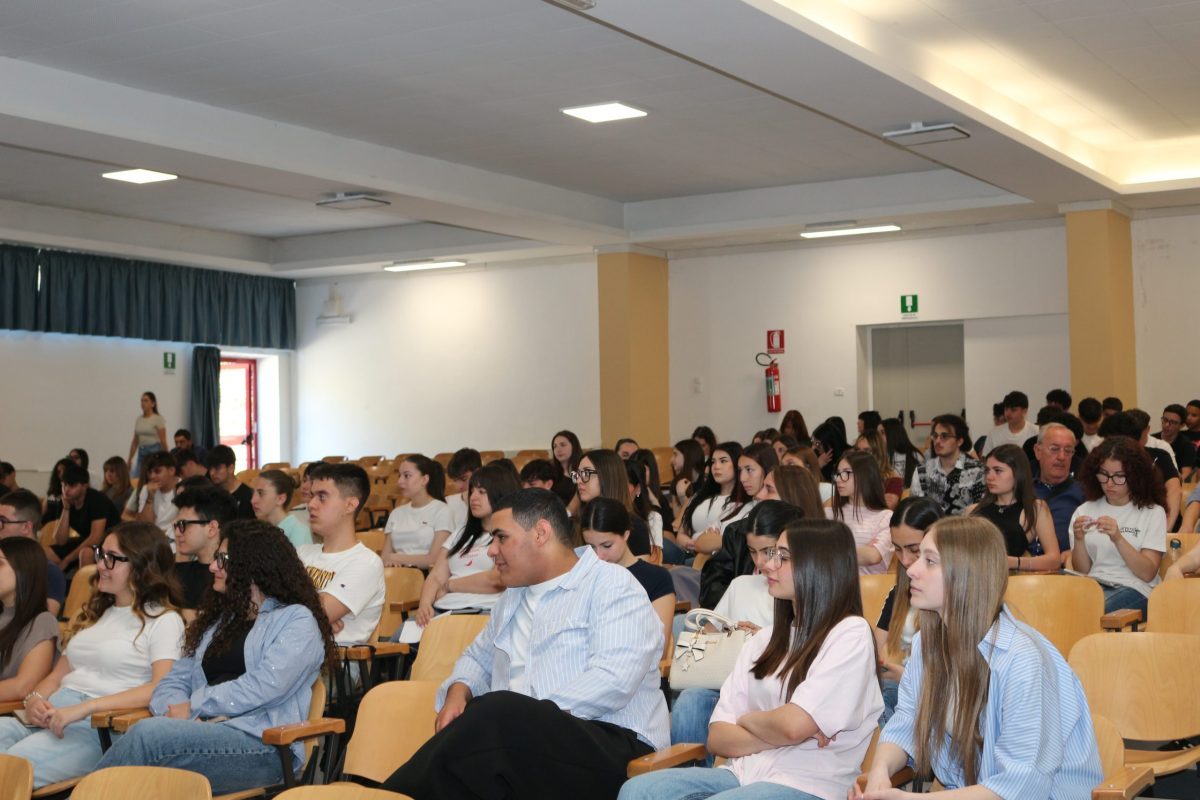
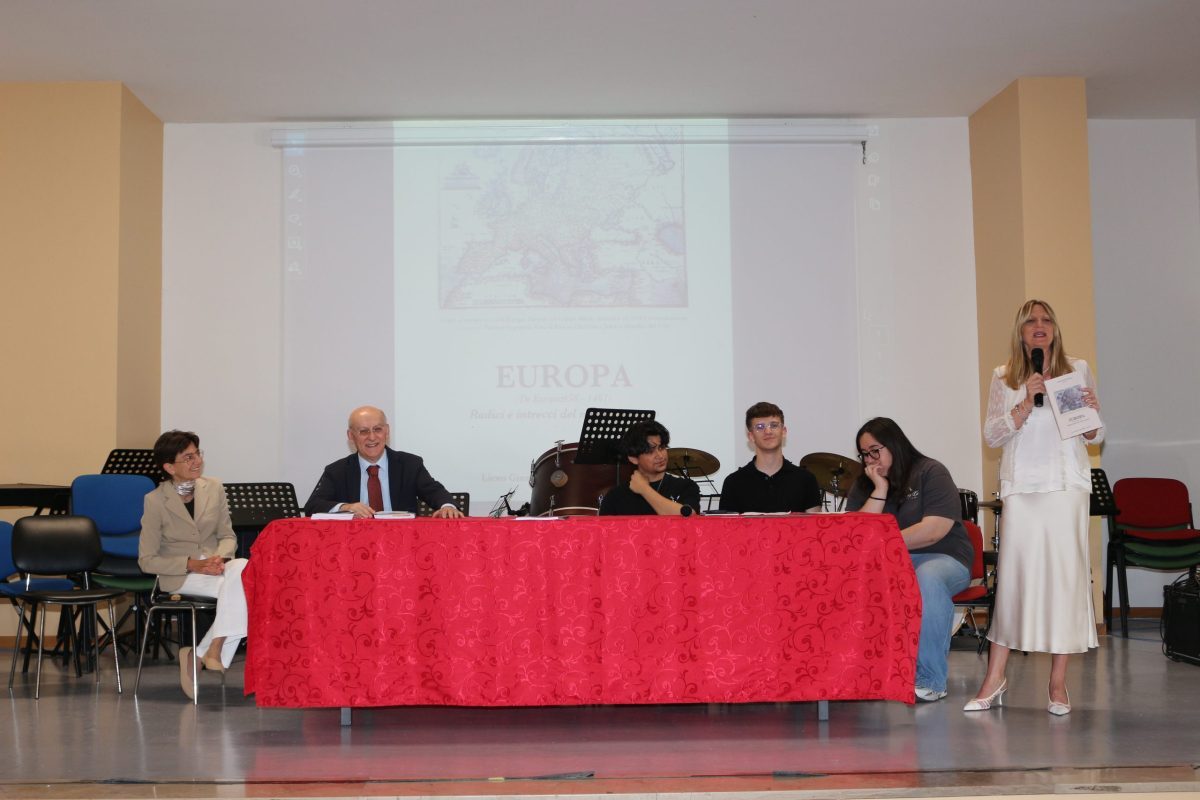
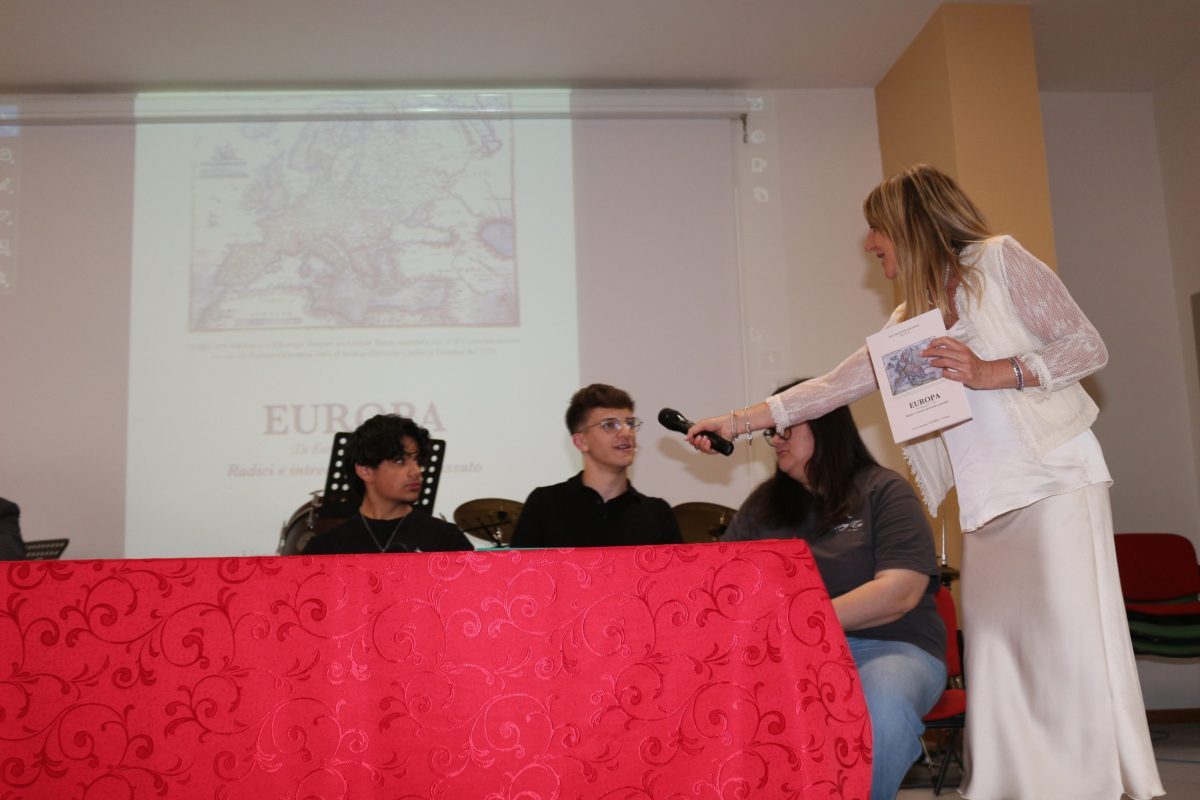
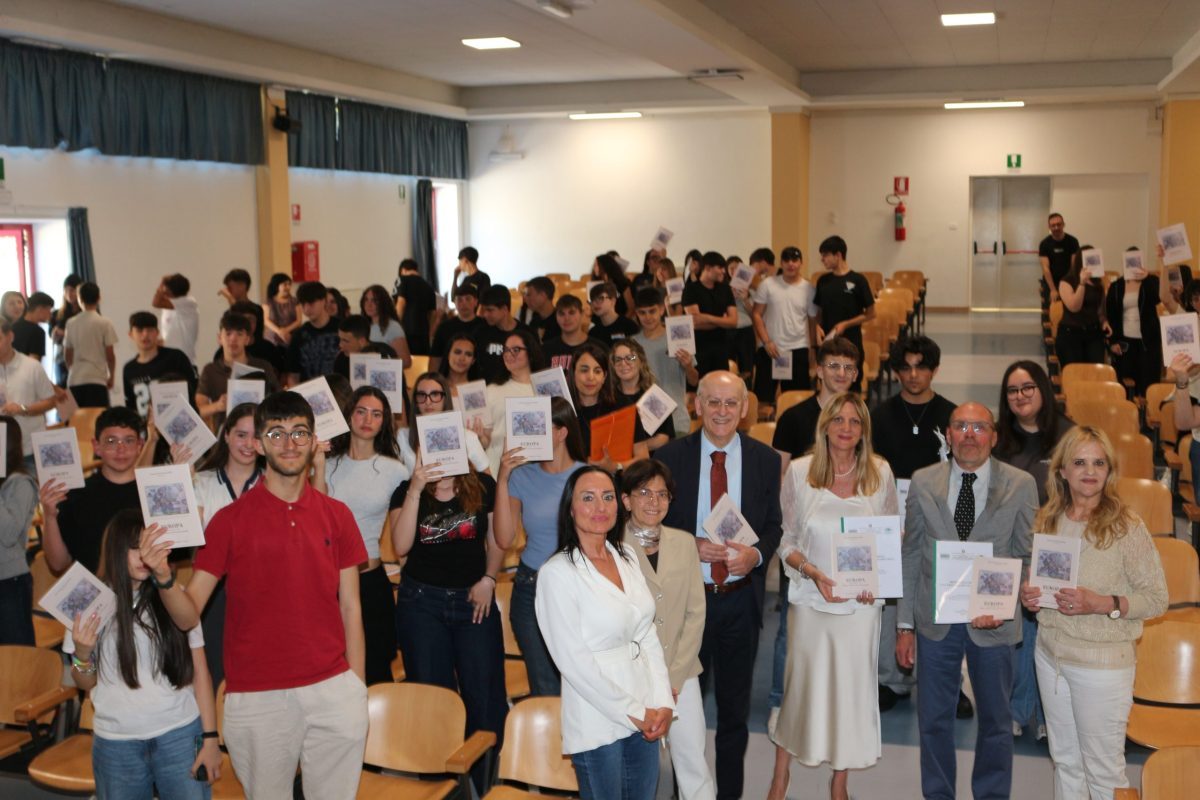
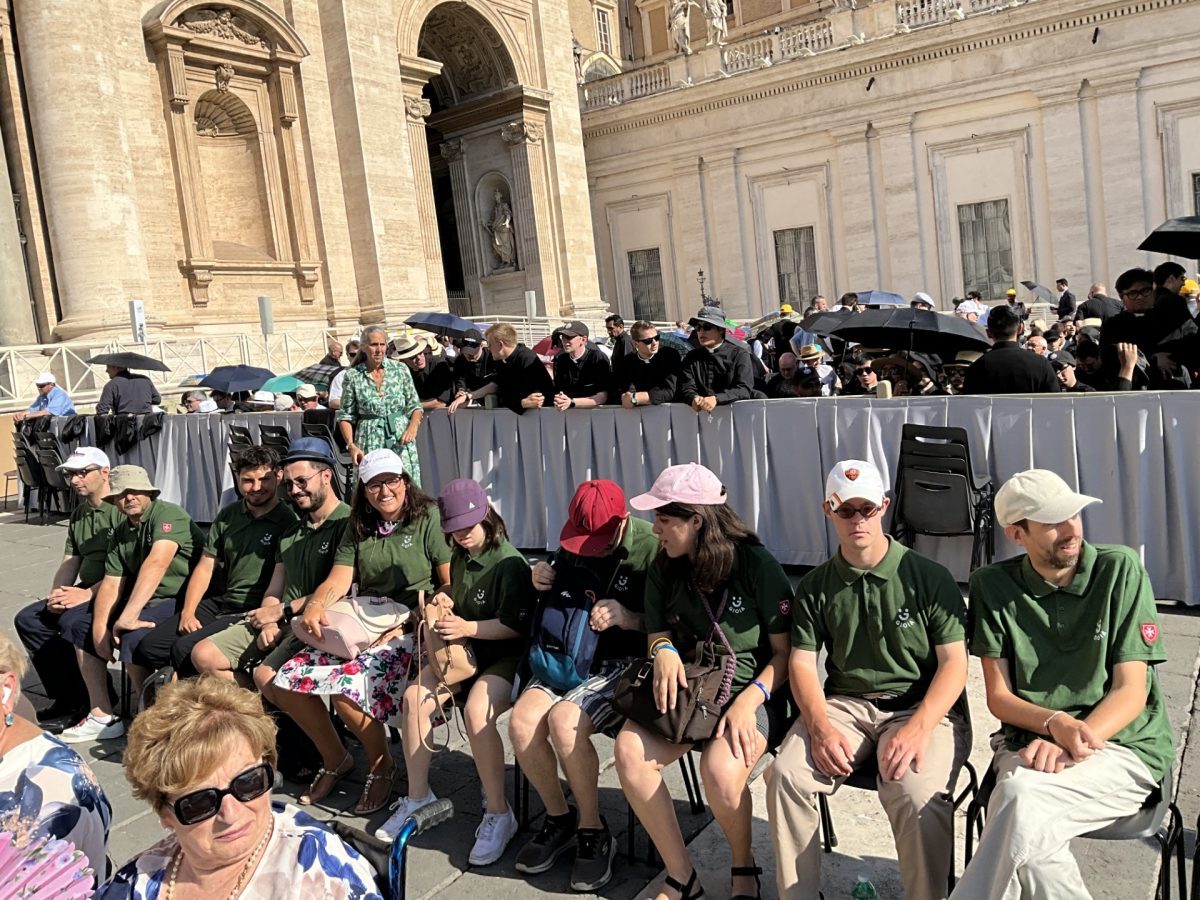
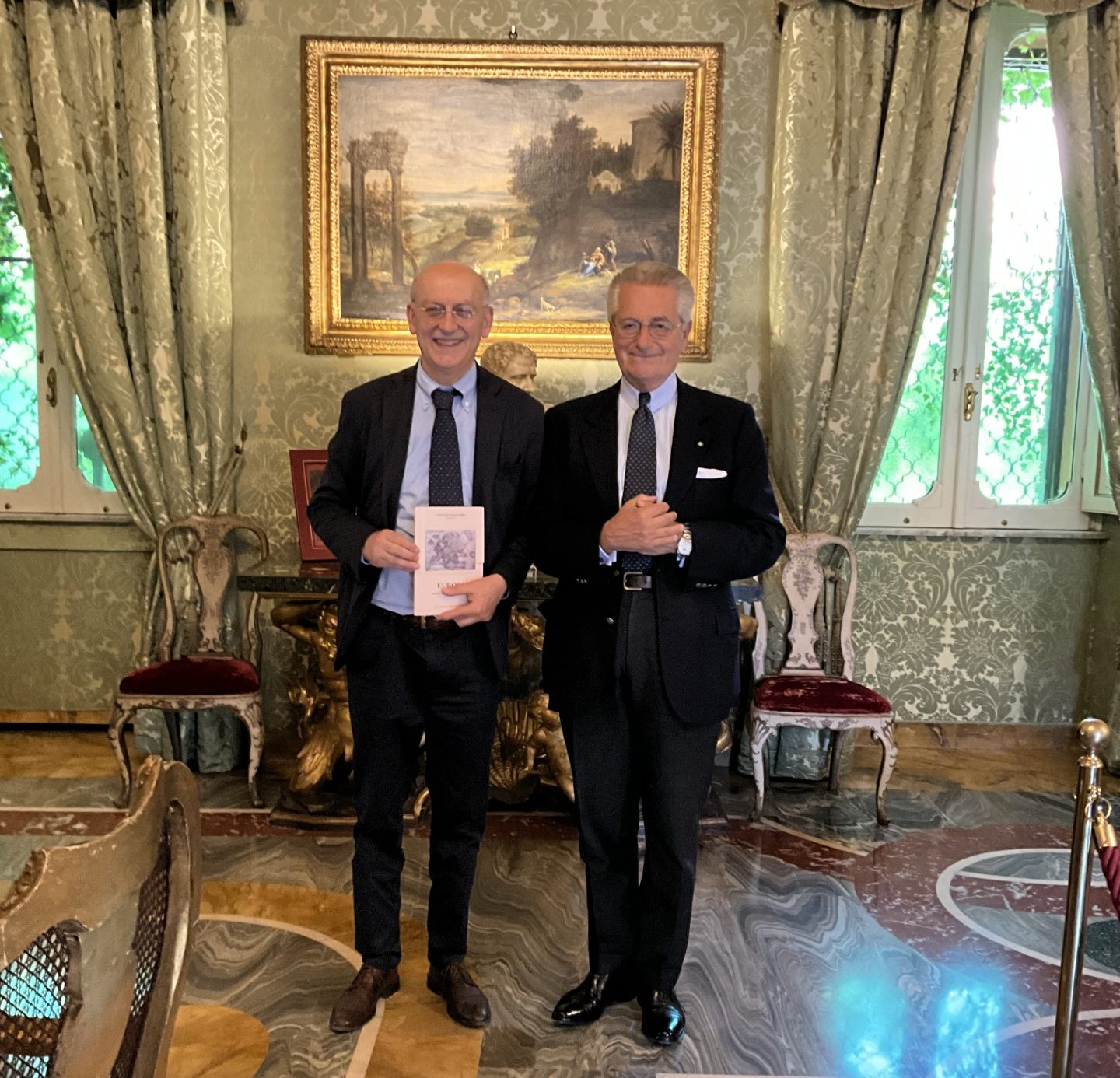
In the photo gallery, some photos of students and teachers during the presentation of the School Project in the Aula Magna of the ITG “C.Forti” in Teramo (8.6.2026) and a photo of Ambassador Zanardi Landi and Prof Ricci at Palazzo Orsini, the Embassy headquarters (10.6.26).